Pillow Block & Mounted Bearing
1. Standard Pillow Block Units (UCP Series)
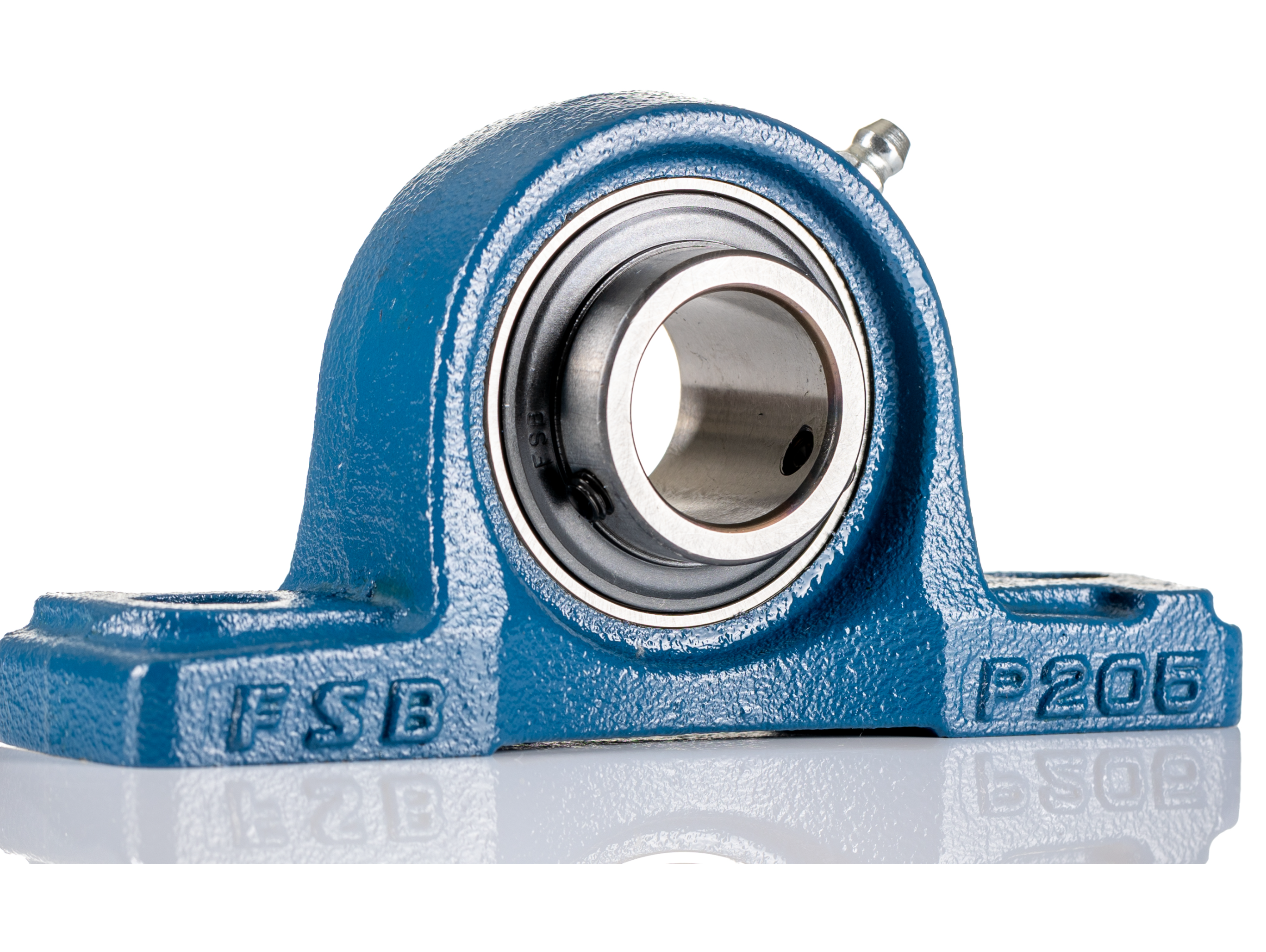
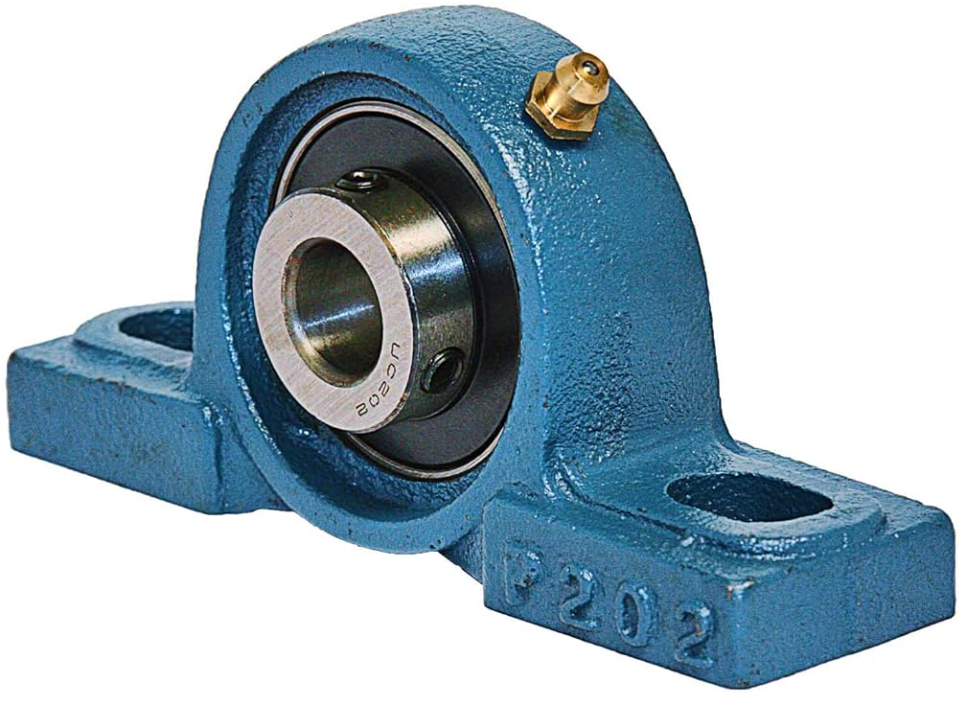
The most common type of mounted bearing, consisting of a radial ball bearing, seals, and a high-grade cast iron or pressed steel housing.
- Key Features: Features a "pedestal" style housing with bolt holes for secure mounting to a flat foundation.
- Applications: Conveyor systems, fan assemblies, and textile machinery.
- Benefit: The housing includes a grease nipple for easy relubrication, and the bearing insert is typically self-aligning to compensate for shaft deflections.
2. Flange Bearing Units (UCF & UCFL Series)
These units are used when the shaft passes through a machine frame or a vertical surface at a right angle.
- Key Features: Available in square (4-bolt) or diamond (2-bolt) shapes to fit various space constraints.
- Applications: Packaging machinery, food processing lines, and agricultural equipment.
- Benefit: Provides rigid support and easy alignment for shafts entering or exiting a machine housing.
3. Take-Up Units (UCT Series)
Designed for applications where shaft centers must be adjusted or belts need to be tensioned.
- Key Features: The housing features grooves on both sides to allow it to slide within a frame or "take-up" guide.
- Applications: Conveyor belt tensioning and elevator pulley shafts.
- Benefit: Allows for precise manual adjustment of belt or chain slack without dismantling the entire assembly.
4. Heavy-Duty Split Plummer Blocks (SNL Series)
For large-scale industrial use, these units feature a split housing design that can accommodate spherical roller bearings or large self-aligning ball bearings.
- Key Features: Two-piece housing for easier assembly around large shafts; optimized for oil or grease lubrication.
- Applications: Mining equipment, steel mills, and heavy-duty fans.
- Benefit: Exceptionally high load-carrying capacity and easy maintenance since the bearing can be inspected by simply removing the housing cover.