V-Belt
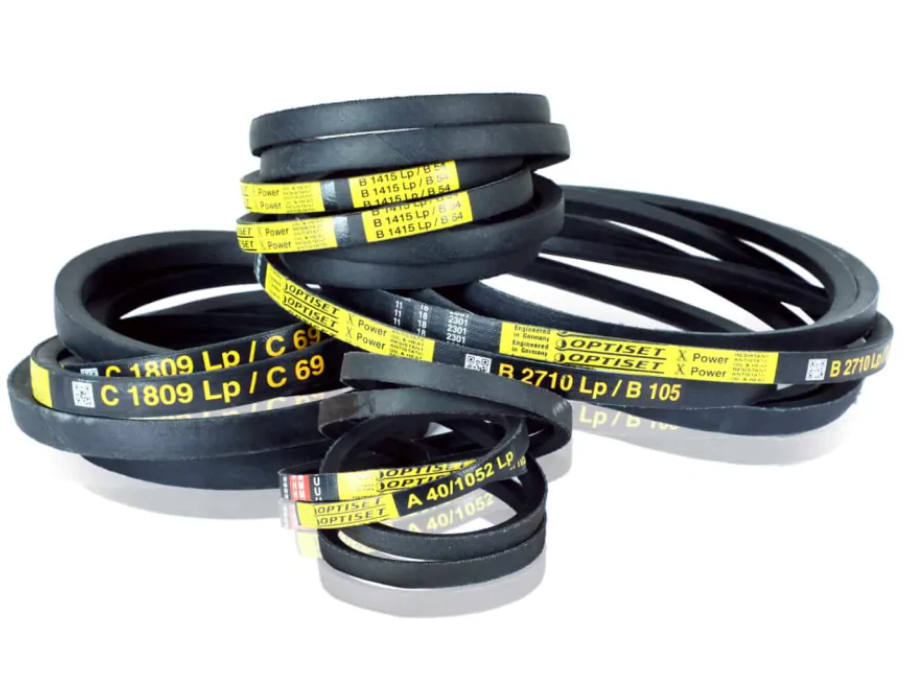
1. Standard Wrapped V-Belts (A, B, C, D, E Sections)
These are the "classic" V-belts used in a vast majority of industrial drives. The fabric cover (wrap) provides excellent protection against heat, oil, and abrasion.
- Key Features: High friction coefficient and superior grip within the pulley groove.
- Applications: General industrial drives, fans, pumps, and textile machinery.
- Benefit: Provides smooth power transmission and acts as a "fuse" by slipping during extreme overloads to protect expensive motors.
2. Wedge V-Belts (SPZ, SPA, SPB, SPC)
Wedge belts are designed with a narrower, deeper profile than classic belts. This shape allows them to transmit more power than a standard belt of the same width.
- Key Features: Higher power-to-weight ratio; optimized for compact drive designs.
- Applications: Heavy-duty industrial machinery, high-speed compressors, and generators.
- Benefit: Allows for smaller pulleys and fewer belts per drive, reducing the overall footprint of the machinery.
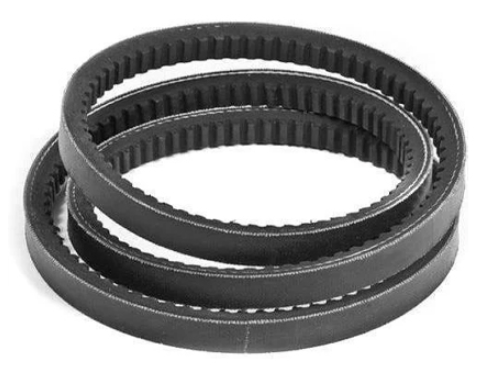
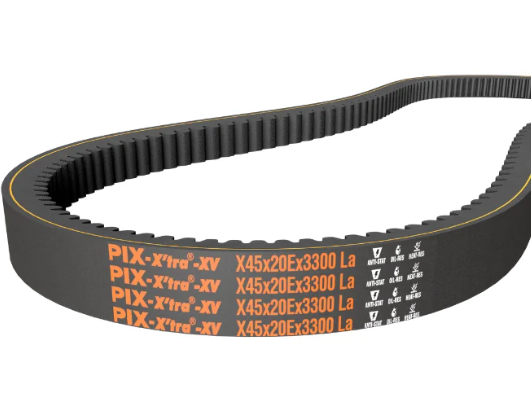
3. Raw Edge Cogged V-Belts (AX, BX, CX / XPZ, XPA, XPB)
Unlike wrapped belts, these have "cogs" (notches) on the underside and raw rubber edges that contact the pulley.
- Key Features: Highly flexible due to the cogged design; runs cooler because of increased surface area for heat dissipation.
- Applications: Small diameter pulleys, high-speed automotive drives, and HVAC units.
- Benefit: Eliminates the need for fabric wrapping on the sides, providing higher grip and efficiency while preventing energy loss through heat.
4. Banded V-Belts
Banded belts consist of several individual V-belts joined together by a high-strength tie-band on the top surface.
- Key Features: Prevents belts from whipping, turning over, or jumping off the drive in high-vibration environments.
- Applications: Rock crushers, reciprocating compressors, and heavy-duty agricultural equipment.
- Benefit: Ensures all belts in a set share the load equally, significantly increasing the life of the drive in unstable conditions.